Avoid Common Fence Painting Mistakes in 2026
As homeowners look to enhance their outdoor spaces, painting fences remains a popular choice in 2026. A freshly painted fence can transform the appearance of a yard, adding both aesthetic appeal and protection against the elements. However, many homeowners make common mistakes that can lead to poor results. Understanding these pitfalls can help you achieve a professional finish while extending the longevity of your fence. This article explores the most frequent errors and offers expert advice to ensure your fence painting project is a success.
Choosing the Wrong Paint Type
One of the most significant errors homeowners make is selecting the incorrect type of paint for their fence. In 2026, it is essential to consider the material of the fence before making a purchase. For wooden fences, using a latex-based exterior paint is ideal, as it allows the wood to breathe while providing a protective barrier. On the other hand, metal fences require a specific type of paint that prevents rust and promotes adhesion.
When choosing paint, always look for products specifically designed for outdoor use. These paints contain additives that enhance durability and UV resistance, ensuring the color remains vibrant despite exposure to sun and rain. Additionally, check if the paint includes a primer; this can save time and provide better adhesion, leading to a longer-lasting finish.
Prioritizing Color Without Considering Maintenance
While selecting a color is one of the most exciting parts of painting a fence, it is crucial to consider maintenance as well. Bright colors may look appealing initially, but they often fade faster than neutral tones. In 2026, homeowners should think ahead about how their color choice will hold up over time. Dark colors can also absorb more heat, which may lead to warping, especially on wooden fences.
People Also Look For:
- DUAYRA Ducksback Fence Paint 5L | All Weather Protection Paints | Outdoor Sheds Fence Wood Treatment | Low VOC - 10m²/L Coverage ...
- Ronseal 5L One Coat Life - Quick Dry Garden Shed & Fence Paints 5 Litres (Dark Oak)
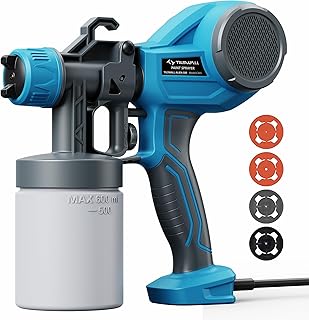
- Tilswall Cordless Fence Paint Sprayer with Brushless Motor, Side-Fill Design, Electric Spray Paint Gun Compatible with Makita 18V ...
- SAVING HUB Fence Paint 5L - Garden Shed Paint, Furniture Paint - Outdoor Exterior Wood Paint - Used On Rough Swan & Smooth Planed ...
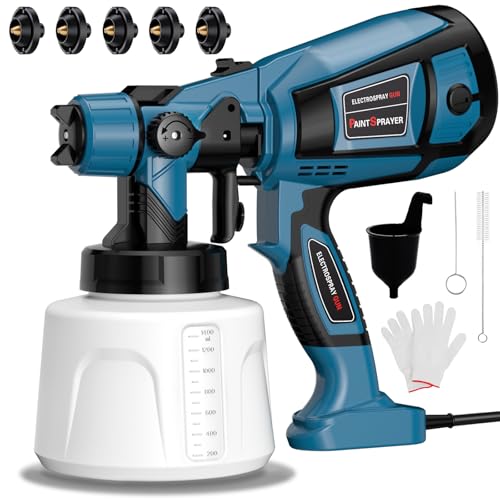
- Grixz Paint Sprayer, Fence Paint Sprayer with 5 Nozzles, 650W HVLP Spray Gun, 3 Spray Patterns, 1200ml Capacity for Fences and She...
Before committing to a color, test a small patch on the fence and observe how it looks at different times of the day. This will help you understand how the color interacts with the natural light in your yard.
Neglecting Proper Preparation
Preparation is key when it comes to painting any surface. One common mistake in 2026 is skipping this critical step. Failing to clean the fence can result in dirt, mildew, and old paint interfering with the new coat. Before painting, take time to wash the fence thoroughly with a mixture of water and mild detergent. For wooden fences, ensure all peeling or flaking paint is removed. A power washer can be particularly effective, but use it carefully to avoid damaging the wood.
In addition to cleaning, always repair any damage before applying paint. For instance, if there are cracks or holes in the wood, fill them with wood filler and sand the area smooth. This not only improves the appearance but also prevents moisture from penetrating the wood, which can cause further deterioration.
Ignoring Weather Conditions
Weather plays a significant role in the success of your fence painting project. Many homeowners mistakenly choose to paint when conditions are not ideal, leading to poor adhesion and an uneven finish. In 2026, it is advisable to check the weather forecast before starting your project. Ideally, you want to paint on a dry day with mild temperatures, avoiding extreme heat or cold.
Additionally, be mindful of humidity levels. High humidity can prolong drying times and increase the likelihood of mold growth on painted surfaces. If possible, aim for a day when humidity is below sixty percent. If rain is expected, allow ample time for the paint to dry before any precipitation occurs.
Rushing the Process
Another common mistake is rushing through the painting process. In 2026, taking your time can make all the difference in achieving a professional look. Skipping steps, such as applying a second coat, can lead to uneven coverage and a less durable finish. It is recommended to apply at least two coats of paint, particularly if you are making a significant color change.
When applying paint, use a high-quality brush or roller suited for the type of paint you are using. Brushes are excellent for getting into crevices and ensuring even coverage, while rollers can cover large areas quickly. Take your time and work in sections, allowing each section to dry thoroughly before moving on.
Using Insufficient Safety Measures
Lastly, safety should never be overlooked during any painting project. In 2026, it is essential to wear appropriate clothing, including gloves and masks, to protect yourself from fumes and splashes. Ensure the area is well-ventilated, especially when working with oil-based paints. If using a ladder for higher fences, make sure it is stable and positioned correctly to avoid accidents.
By addressing these common mistakes, homeowners can paint their fences effectively and enjoy the benefits of a well-maintained yard. From selecting the right paint to ensuring proper weather conditions, each step is crucial in achieving a beautiful finish that lasts for years. As you embark on your fence painting project in 2026, remember to prioritize quality over speed, and the results will reflect your efforts.